WELCOME

WELCOME
click for more information about getting started

Sunday, August 3, 2014

Troop Grubmaster Duties

For the Troop (the Crew and Team may run things differently).
This information is from Brother Mark.
Ideally here's what happens:

The grubmaster is responsible for:

  • planning the meals, 
  • collecting the cash, 
  • buying the food, and 
  • bringing the food to the outing. 

That's about it. I'll explain each in more detail.

Plan the Meals:

After he's assigned, the grubmaster should ask the patrol leader how many meals of which type to plan. They should also understand whether or not these meals will be prepared and eaten while camping, backpacking, hiking, etc and whether or not they should be no-cook meals. For example, on our next campout (August 21-23) we need dinner on Thursday; breakfast, lunch, and dinner on Friday; and breakfast and lunch on Saturday. Friday's lunch should be no-cook so that it can be eaten while fishing or hiking.

If the scout is working on Cooking merit badge, they should meet with the merit badge counselor before planning the meals.

The grubmaster then plans the meals. He can get help, if he needs it, from another scout, a parent, a scout leader, or a merit badge counselor.

If the grubmaster is working on a merit badge (either Cooking or Camping), after he plans the meals, he needs to get them approved by their merit badge counselor. (You can do this by emailing the plan to your merit badge counselor.) If he's not working on a merit badge, he doesn't need to get the meal plan approved.

(At the moment the Cooking Merit Badge Counselor is Sister Morriberon & the Camping Merit Badge Counselor is Brother Wilkinson)

Once he has the meal plan, he gets the head-count for the outing from the patrol leader. He then calculates the total cost of the food, and divides by the number of participants. This gives the cost per person.

For example, for our August campout we'll have 9 scouts and 3 leaders. However, 1 of the leaders will prepare his own food (me), because of dietary problems. So, there will be 11 participants. Calculate the cost of the food to feed 11 people, then divide by 11 to get the cost per person. Round up to the nearest dollar value. If this cost is estimated to be $8.25, round up to $9.

Email cost per person and the completed meal plan to the entire troop.

A note on dietary restrictions: before the meal plan is made, any participant may opt out of the meal plan and bring their own food. I always opt out because of problems I have with preservatives and other chemicals.

Collect Cash:

On the Saturday or Sunday before the outing, the grubmaster sends an email to the whole troop, reminding them to bring their food money to the Tuesday Scout meeting. Remind them how much to bring, and remind them to bring cash in exact denomination. If the cost is $9, they should bring $9 -- not a $20 bill! The grubmaster is not expected to provide change.

Scouts that forget to bring cash (or don't have the exact amount) to scout meeting will need to bring cash to the grubmaster's home the day after the scout meeting. The scoutmaster will give the grubmaster any money left over from the prior outing. At the scout meeting before the outing, it is also be appropriate for the grubmaster to pick an assistant to help buy the food (if the grubmaster wants an assistant).

Buy the Food:

The grubmaster (and their assistant if they want one) go shopping at their convenience. They will likely need a parent to drive them, and youth protection rules must be followed. A parent can only be alone in a vehicle with their own son. They cannot ever be alone with a scout who is not their son.

The grubmaster should pay for the food with the cash they collected at the scout meeting. They should keep the receipt. The receipt and the change should be given to the scoutmaster at the outing gathering.

If any food is perishable, it is the grubmaster's responsibility to provide ice to preserve the perishable food.

If the grubmaster has planned individual meals, the grubmaster should break the food into individual food packs for each scout. (This is occasionally done for trail meals, rather than camp meals.)

Bring the Food to the Outing:

The grubmaster brings the food wherever the scouts gather to depart for the outing. The patrol leader then takes responsibility for it. At this time, the grubmaster gives the food receipt and any change to the scoutmaster. The grubmaster should provide guidance to the cooks for preparing the planned meals.
Grubmaster will assist Patrol leader in loading and distributing food as needed.

That's all the grubmaster does.

Other Non-grubmaster Food Responsibilities:


It is the responsibility of the patrol leader:
  • to assign the grubmaster, 
  • to tell the grubmaster what types of meals to plan for the outing, and 
  • to tell the grubmaster how many people will be attending the outing. 
  • to assign cooks, clean-up, etc. for each of the meals. Obviously, the grubmaster will assist the patrol leader in making these assignments. The patrol leader may also delegate some of these responsibilities to other scouts (but not back to the grubmaster who's already done a lot of work). 
  • to load the food into the vehicle (either packing it in troop boxes or distributing it to everyone's packs). 

It is the responsibility of the scoutmaster
  • to save left-over money for the next outing. 
If you have any questions, please let me know.

Thanks,

Brother Mark

Scoutmaster
Saturday, June 14, 2014

Requirement 8: Careers in Cooking

--
8. Careers in Cooking
8


-Find out about three career opportunities in cooking.
-Select one and find out the education, training, and experience required for this profession.
-Discuss this with your counselor, and explain why this profession might interest you.
Food service icon8 CAREER OPPORTUNITIES:  Find out about three career opportunities in cooking.
[There will be more but here's a page to get you started:
Culinary Careers:  Chef or Cook  There are links to other careers at the bottom of that page. 
CHOOSE ONE:  Select one and find out the education, training, and experience required for this profession.
DISCUSS:  Discuss this with your counselor, and explain why this profession might interest you.
Do these not look like the exact same book?  Weird.  Hopefully you can read some of the things written on the hats to get some ideas of careers. . . .

Requirement 7: Cooking on the Trail

--
7.     Cooking on the Trail
7


Using the MyPlate food guide***:
-Plan a menu for trail hiking or backpacking that includes one breakfast, one lunch, one dinner, and one snack.
-These meals must not require refrigeration and
-are to be consumed by three to five people (including you).
-List the equipment and utensils needed to prepare and serve these meals.
Then do the following:

a

Create a shopping list for your meals showing:
-the amount of food needed to prepare and serve each meal,
-and the cost for each meal.

b

-Share and discuss your meal plan and shopping list with your counselor.
-Your plan must include how to repackage foods for your hike or backpacking trip to eliminate as much bulk, weight, and garbage as possible.

c

While on a trail hike or backpacking trip:
-Prepare and serve two meals and a snack from the menu planned for requirement 7.
-At least one of those meals must be cooked over a fire, or an approved trail stove (with proper supervision).**

d

For each meal prepared in requirement 7c:
-use safe food-handling practices.
-Clean up equipment, utensils, and the site thoroughly after each meal.
-Properly dispose of dishwater, and pack out all garbage.

e

After each meal, have those you served evaluate the meal on presentation and taste,
-then evaluate your own meal.
-Discuss what you learned with your counselor, including any adjustments that could have improved or enhanced your meals.
-Tell how better planning and preparation help ensure successful trail hiking or backpacking meals.
7. MEAL PLANNING:  MENU
Using the MyPlate food guide***:
-Plan a menu for trail hiking or backpacking that includes one breakfast, one lunch, one dinner, and one snack.
-These meals must not require refrigeration and
-are to be consumed by three to five people (including you).
-List the equipment and utensils needed to prepare and serve these meals.
7 a.  MEAL PLANNING:  AMOUNT & COST
Create a shopping list for your meals showing:
--the amount of food needed to prepare and serve each meal, and
--the cost for each meal.
7 b. MEAL PLANNING: REVIEW
Share and discuss your meal plan and shopping list with your counselor.

-Your plan must include how to repackage foods for your hike or backpacking trip to eliminate as much bulk, weight, and garbage as possible.
7 c. PREPARE MEALS
While on a trail hike or backpacking trip:
-Prepare and serve two meals and a snack from the menu planned for requirement 7.
-At least one of those meals must be cooked over a fire, or an approved trail stove (with proper supervision).**
7 d. PREPARE MEALS:  COOKING METHODS
For each meal prepared in requirement 7c:
-use safe food-handling practices.
-Clean up equipment, utensils, and the site thoroughly after each meal.
-Properly dispose of dishwater, and pack out all garbage.
7 e. PREPARE DESSERT OR SNACK
In the outdoors, prepare a dessert OR a snack and serve it to your patrol or a group of youth.**
7 f. MEAL EVALUATION
After each meal, have those you served evaluate the meal on presentation and taste,
-then evaluate your own meal.
Another thing to consider is if the portions were enough.
-Discuss what you learned with your counselor, including any adjustments that could have improved or enhanced your meals.
-Tell how better planning and preparation help ensure successful trail hiking or backpacking meals..

I will get these inserted into more logical places later but here are some helpful links to rummage through:
http://www.choosemyplate.gov/food-groups/downloads/TenTips/DGTipsheet16EatingBetterOnABudget.pdf

Requirement 6: Cooking Outdoors

Some recipes and ideas 
Meal ideas:  http://www.boyscouttrail.com/boy-scouts/boy-scout-recipes.asp  
                        http://scoutermom.com/category/cooking-2/camp-cooking/
 --Pizza pockets:  http://www.boyscouttrail.com/content/recipe/pocket_pizza-189.asp
--http://www.boyscouttrail.com/content/recipe/layered_taco_pie-1302.aspx
-- http://www.boyscouttrail.com/content/recipe/witches_brew-1750.aspx
-- http://www.boyscouttrail.com/content/recipe/pie_iron_pizzas-549.asp (need pie iron)x
-- http://www.boyscouttrail.com/content/recipe/pig_on_a_stick-1071.asp
-- http://www.boyscouttrail.com/content/recipe/monkey_bread-1316.asp
-- http://scoutermom.com/547/walking-tacos-recipe/
-- http://scoutermom.com/8681/pumpkin-crunch-recipe/x
-- http://scoutermom.com/7208/camp-chicken-stuffing-recipe/x
-- http://scoutermom.com/1255/spaghetti-dinner/x
6.     Campout Cooking
6


Using the MyPlate food guide***:
-Plan a menu for your patrol or a similar size group of up to eight youth, including you) for a camping trip.
-Include five meals AND at least one snack OR one dessert.
-List the equipment and utensils needed to prepare and serve these meals.
Then do the following:

a

-Create a shopping list for your meals showing 
-the amount of food needed to prepare and serve each meal, and
-the cost for each meal.

b

Share and discuss your meal plan and shopping list with your counselor.

c

In the outdoors, cook two of the meals you planned in requirement 6 using either a lightweight stove or a low-impact fire.
-Use a different cooking method for each meal.**
-The same fireplace may be used for both meals.
-Serve this meal to your patrol or a group of youth.

d

-Use either a Dutch oven, OR a foil pack, OR kabobs.
-Serve this meal to your patrol or a group of youth.**

e

In the outdoors, prepare a dessert OR a snack and serve it to your patrol or a group of youth.**

f

After each meal, have those you served evaluate the meal on presentation and taste, and then evaluate your own meal.
-Discuss what you learned with your counselor, including any adjustments that could have improved or enhanced your meals.
-Tell how better planning and preparation help ensure successful outdoor cooking.

g

Explain how you kept perishable foods safe and free from cross-contamination.
6. MEAL PLANNING:  MENU
Using the MyPlate food guide***:
-Plan a menu for your patrol or a similar size group of up to eight youth, including you) for a camping trip.
-Include five meals AND at least one snack OR one dessert.
-List the equipment and utensils needed to prepare and serve these meals.
6 a.  MEAL PLANNING:  AMOUNT & COST
Create a shopping list for your meals showing:
--the amount of food needed to prepare and serve each meal, and
--the cost for each meal.
6 b. MEAL PLANNING: REVIEW
Share and discuss your meal plan and shopping list with your counselor.
 c. PREPARE MEALS
In the outdoors, cook two of the meals you planned in requirement 6 using either a lightweight stove or a low-impact fire.
-Use a different cooking method for each meal.**
-The same fireplace may be used for both meals.
-Serve this meal to your patrol or a group of youth.
6 d. PREPARE MEALS:  COOKING METHODS
-Use either a Dutch oven, OR a foil pack, OR kabobs.
-Serve this meal to your patrol or a group of youth.**
6 e. PREPARE DESSERT OR SNACK
In the outdoors, prepare a dessert OR a snack and serve it to your patrol or a group of youth.**
6 f. MEAL EVALUATION
-After each meal, have those you served to evaluate the meal on presentation and taste, then evaluate your own meal.
-Discuss what you learned with your counselor, including any adjustments that could have improved or enhanced your meals.
-Tell how better planning and preparation help ensure a successful meal.
Another thing to consider is if the portions were enough.
6 g. MEAL PREPARATION:  FOOD SAFETY
Explain how you kept perishable foods safe and free from cross-contamination.

I will get these inserted into more logical places later but here are some helpful links to rummage through:
http://www.choosemyplate.gov/food-groups/downloads/TenTips/DGTipsheet16EatingBetterOnABudget.pdf

Requirement 5: Cooking At Home

5. Cooking at Home


*The meals for requirement 5 may be prepared on different days, and they need not be prepared consecutively.
The requirement calls for Scouts to plan, prepare, and serve one breakfast, one lunch, and one dinner to at least one adult; those served need not be the same for all meals.
5


Using the MyPlate food guide ***:
Plan a menu for three full days of meals (three breakfasts, three lunches, and three dinners) plus one dessert.
Your menu should include enough to feed yourself and at least one adult, keeping in mind any special needs (such as food allergies) of those to be served.
List the equipment and utensils needed to prepare and serve these meals.
Then do the following:

a

Create a shopping list for your meals showing:
--the amount of food needed to prepare and serve each meal, and
--the cost for each meal.

b

Share and discuss your meal plan and shopping list with your counselor.

c

Using at least five of the seven cooking methods from requirement 4, prepare and serve yourself and at least one adult (parent, family member, guardian, or other responsible adult) one breakfast, one lunch, one dinner, and one dessert from the meals you planned.*

d

Time your cooking to have each meal ready to serve at the proper time.
Have an adult verify the preparation of the meal to your counselor.

e

-After each meal, ask a person you served to evaluate the meal on presentation and taste, then evaluate your own meal.
-Discuss what you learned with your counselor, including any adjustments that could have improved or enhanced your meals.
-Tell how better planning and preparation help ensure a successful meal.

f

Explain how you kept perishable foods safe and free from cross-contamination.
*The meals for requirement 5 may be prepared on different days, and they need not be prepared consecutively.
The requirement calls for Scouts to plan, prepare, and serve one breakfast, one lunch, and one dinner to at least one adult; those served need not be the same for all meals.

5. MEAL PLANNING:  MENU
Using the MyPlate food guide ***:
Plan a menu for three full days of meals (three breakfasts, three lunches, and three dinners) plus one dessert.
Your menu should include enough to feed yourself and at least one adult, keeping in mind any special needs (such as food allergies) of those to be served.
List the equipment and utensils needed to prepare and serve these meals.
5 a.  MEAL PLANNING:  AMOUNT & COST
Create a shopping list for your meals showing:
--the amount of food needed to prepare and serve each meal, and
--the cost for each meal.
5 b. MEAL PLANNING: REVIEW
Share and discuss your meal plan and shopping list with your counselor.
5 c. PREPARE MEALS:  COOKING METHODS
Using at least five of the seven cooking methods from requirement 4, prepare and serve yourself and at least one adult (parent, family member, guardian, or other responsible adult) one breakfast, one lunch, one dinner, and one dessert from the meals you planned.*
5 d. PREPARE MEALS:  TIMING
Time your cooking to have each meal ready to serve at the proper time.
Have an adult verify the preparation of the meal to your counselor.
5 e. MEAL EVALUATION
-After each meal, ask a person you served to evaluate the meal on presentation and taste, then evaluate your own meal.
-Discuss what you learned with your counselor, including any adjustments that could have improved or enhanced your meals.
-Tell how better planning and preparation help ensure a successful meal.
Another thing to consider is if the portions were enough.
5 f. MEAL PREPARATION:  FOOD SAFETY
Explain how you kept perishable foods safe and free from cross-contamination.

I will get these inserted into more logical places later but here are some helpful links to rummage through:
http://www.choosemyplate.gov/food-groups/downloads/TenTips/DGTipsheet16EatingBetterOnABudget.pdf

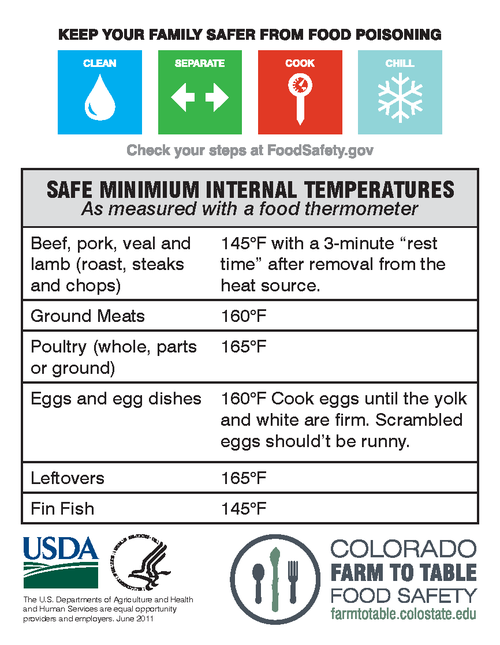
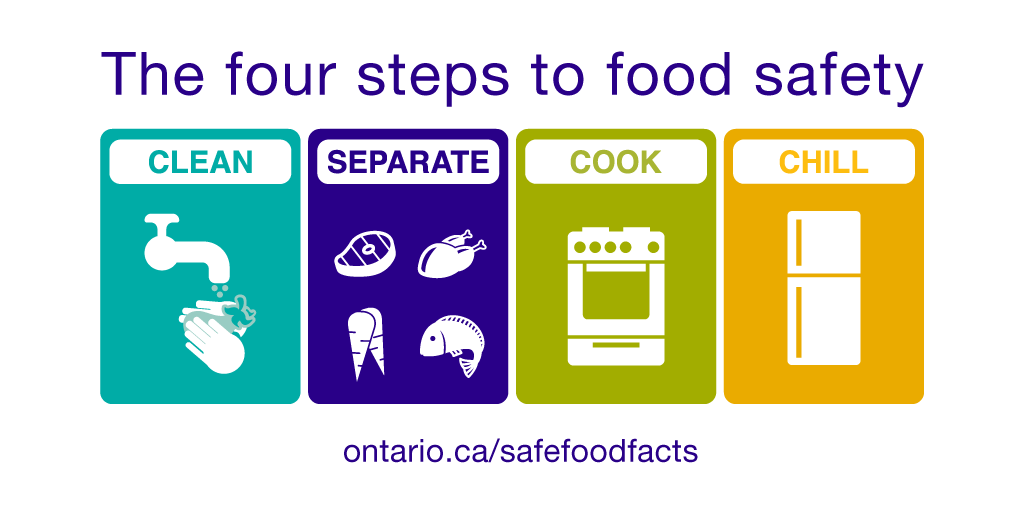
Requirement 1c: Food Safety, Clean, Separate, Cook, Chill (Same for 2014 & 2016)

Image result for food safety steps clean

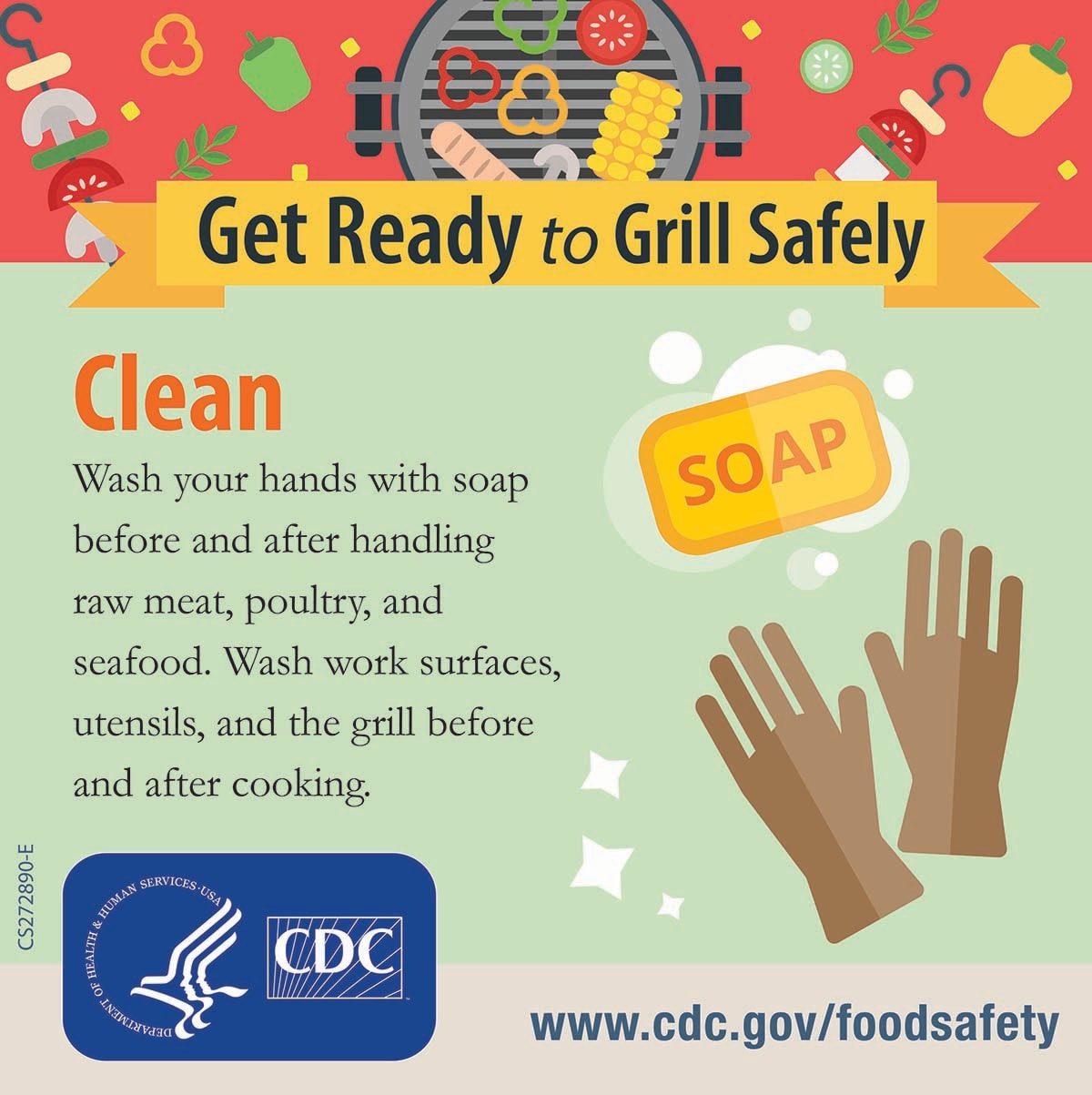
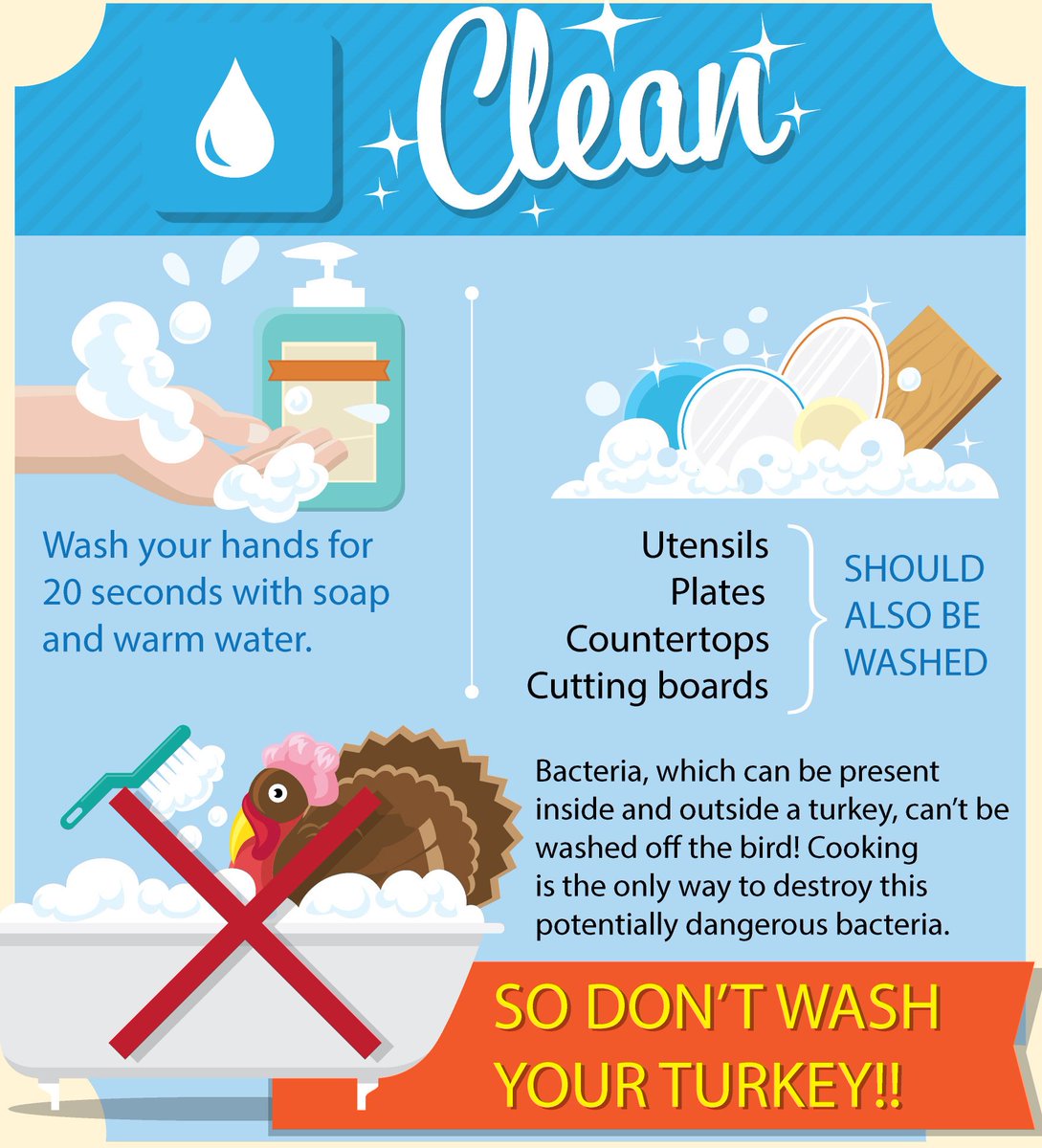
Step 1: Clean
Image result for food safety steps clean
CLEAN:  Short, Informative Video
A Quick, Silly Reminder
Image result for food safety cleaning
Related image
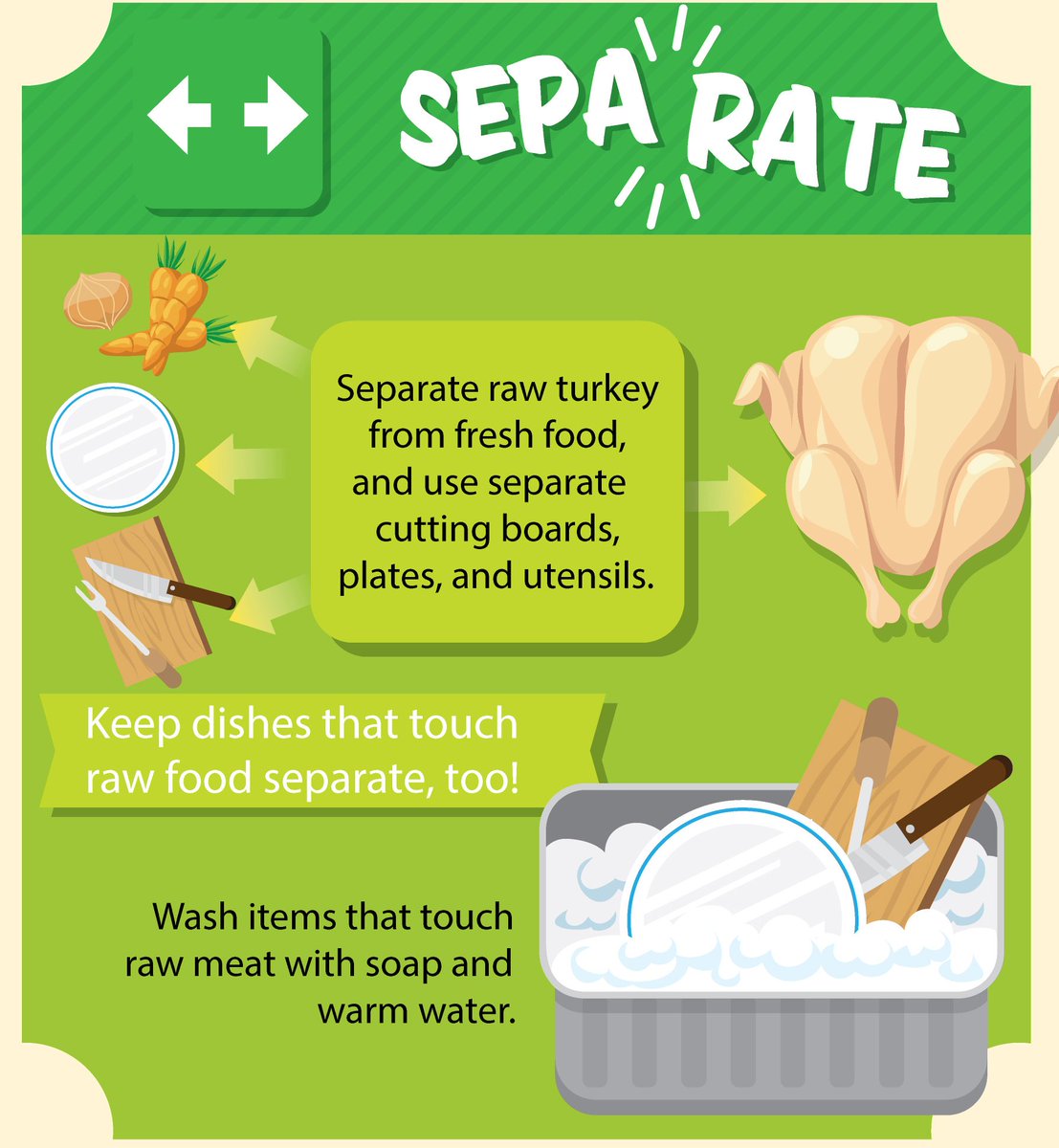
Step 2: Separate (Don't Cross Contaminate)
Image result for food safety steps separate
SEPARATE:  Short, Informative Video
A Quick, Silly Reminder to Separate foods
Recipes for Disaster (A Farce of a Cooking Show)
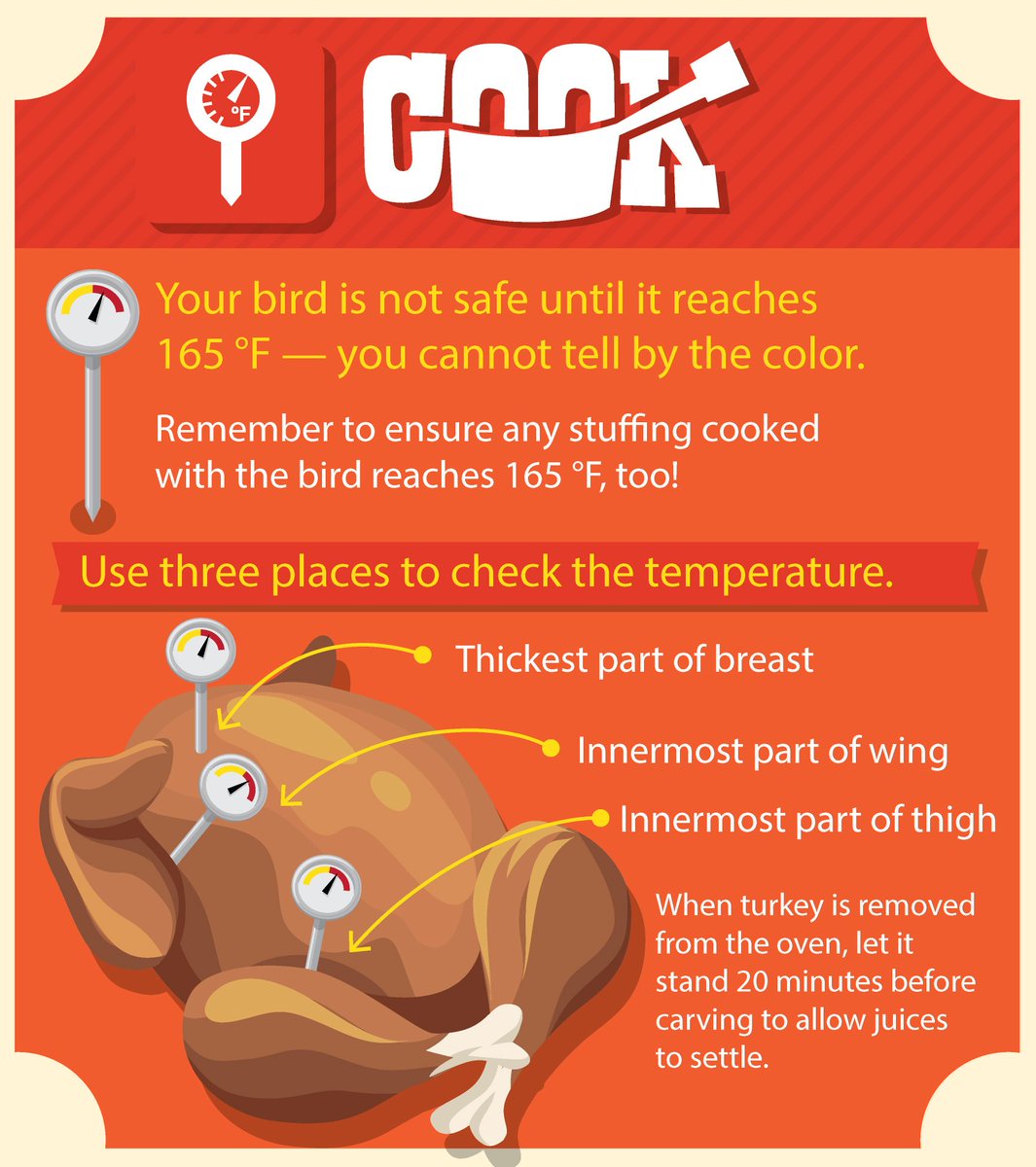
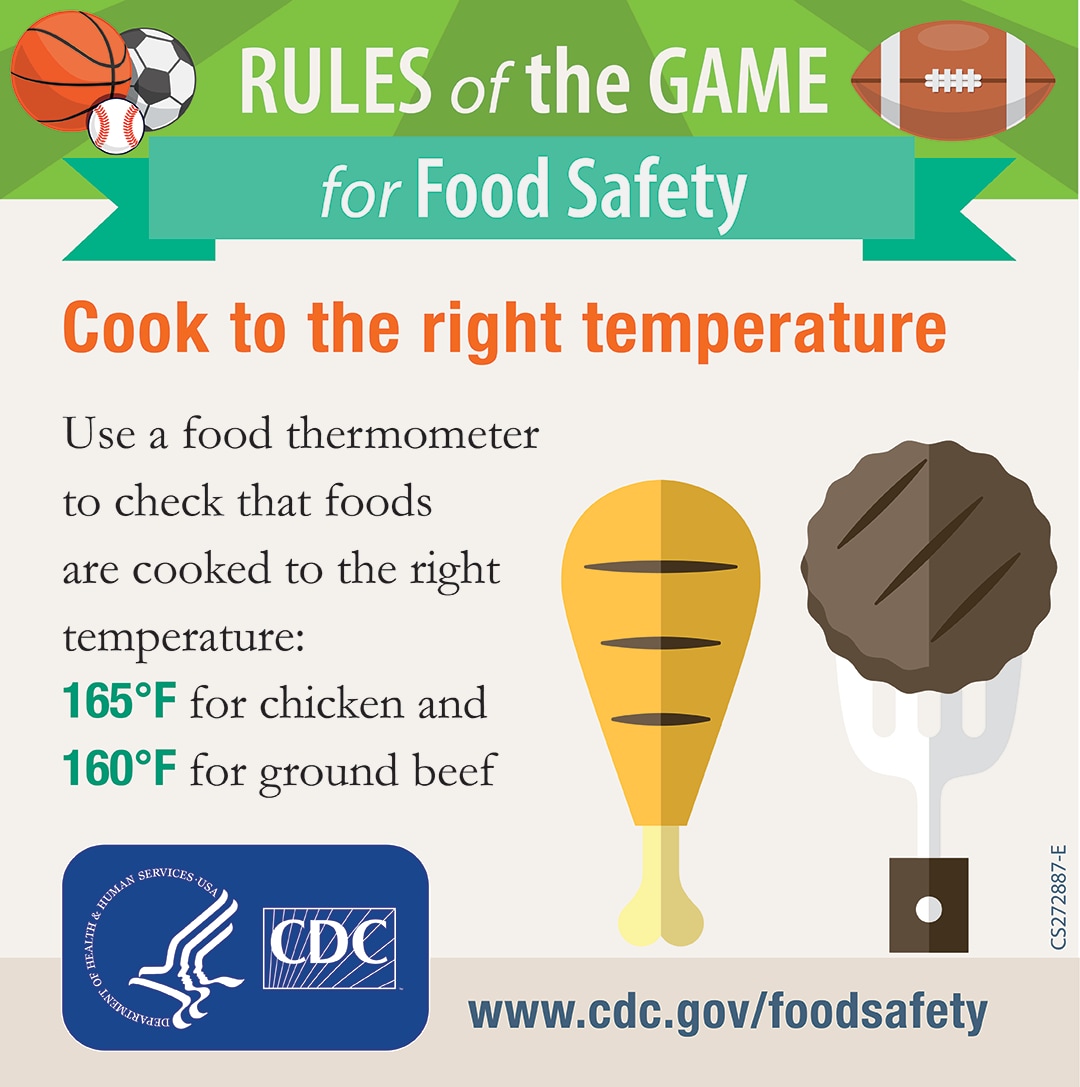
Step 3: Cook
Related image
COOK:  Short, Informative Video
A Quick Silly Reminder to Cook Properly
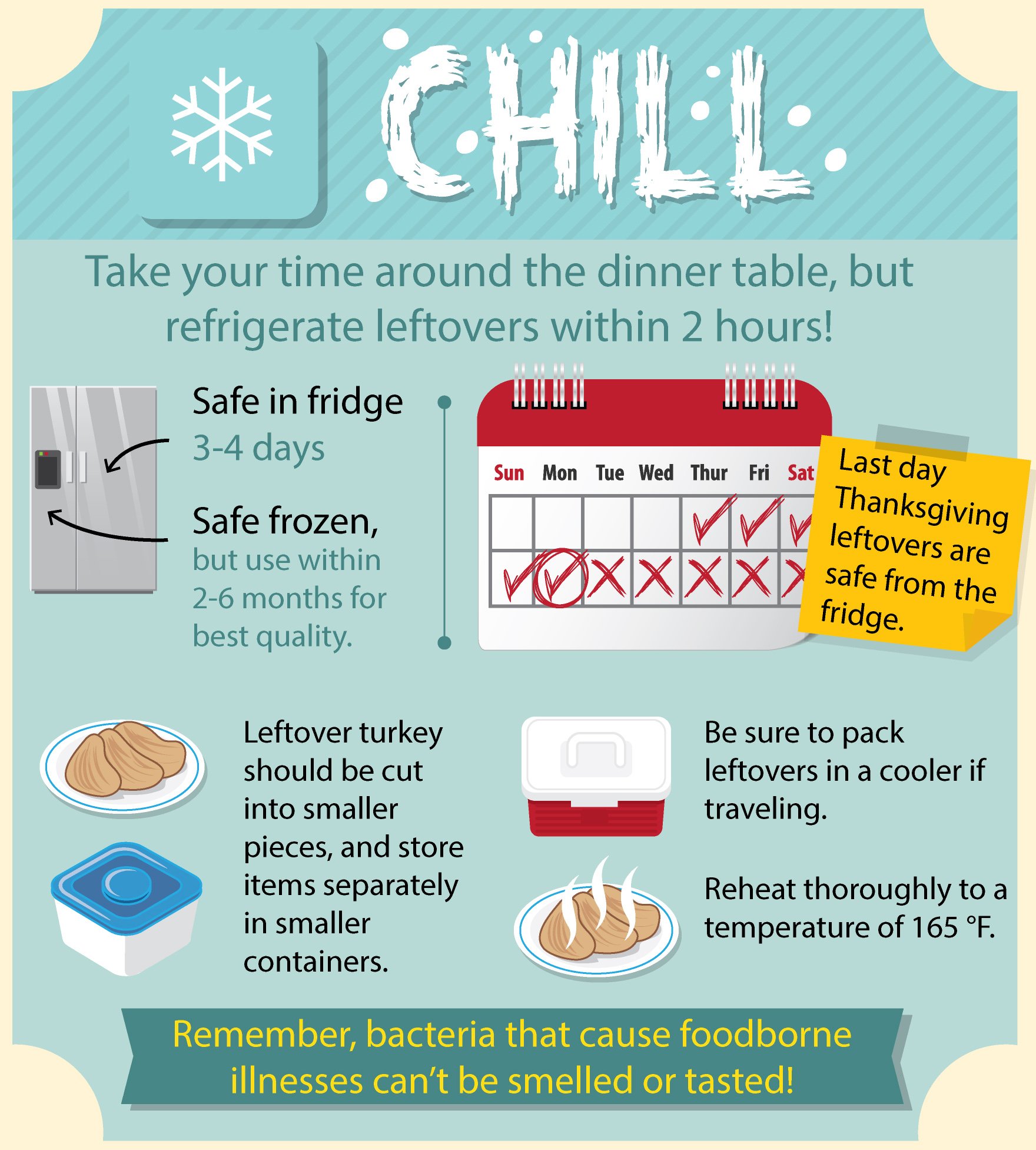
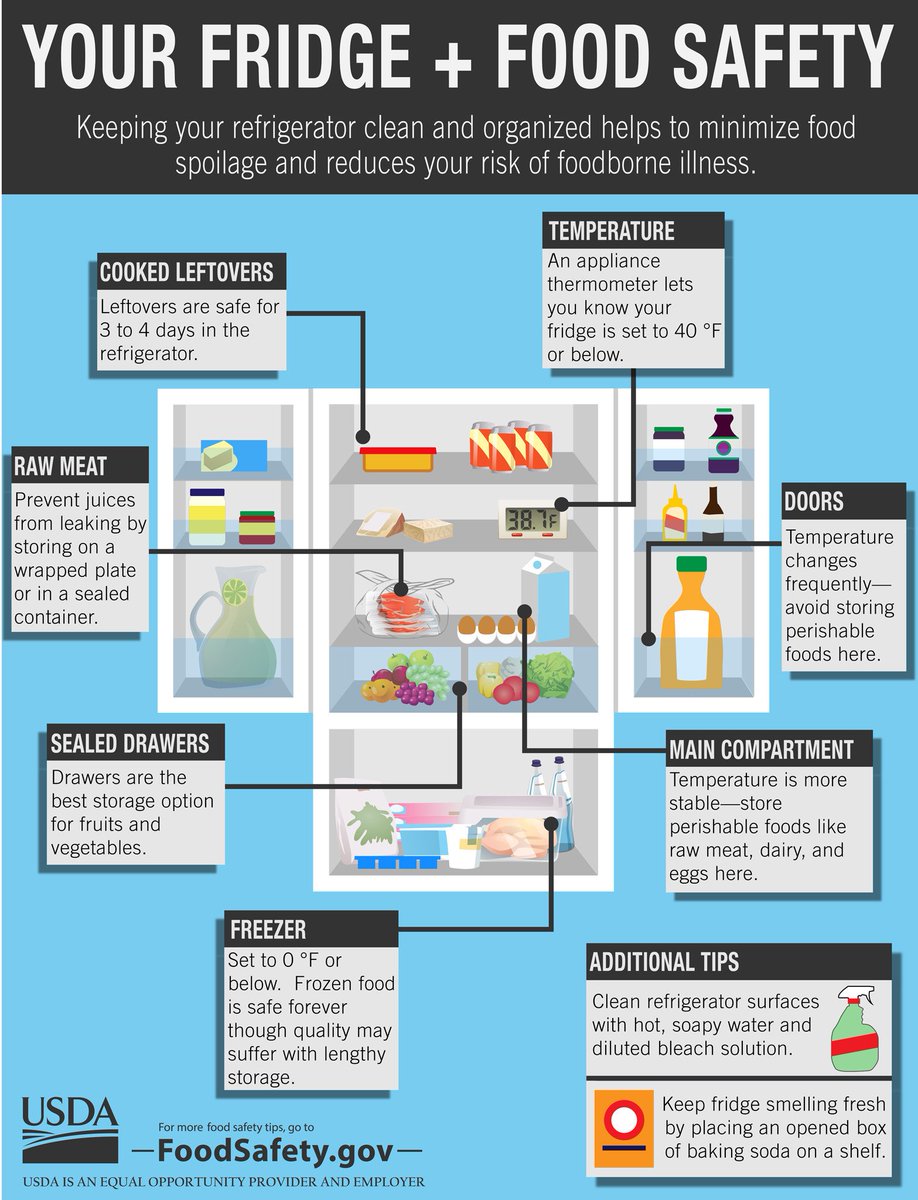
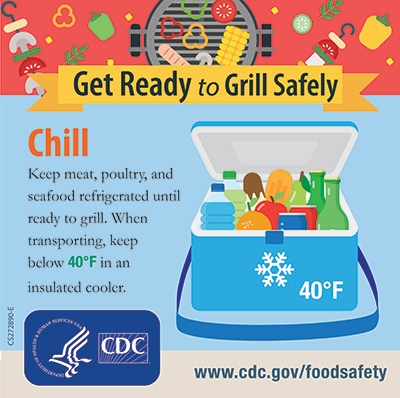
Step 4:  Chill
Related image
CHILL:  Short, Informative Video
(For a link to my post about packing a cooler go HERE.)
Recipes for Disaster - "Bacteria BBQ"
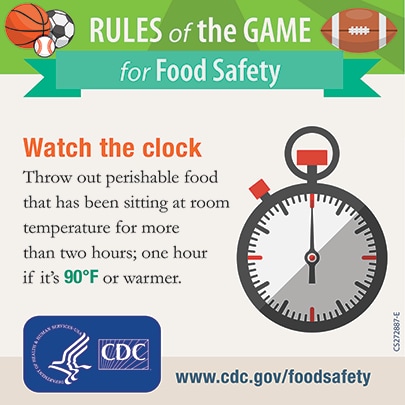
Some more visuals and infographics that you might find helpful:
4 Steps to Food Safety | To help reduce the spread of dangerous germs and bacteria, experts also recommend that you sanitize your kitchen sponges between use and replace them every month.


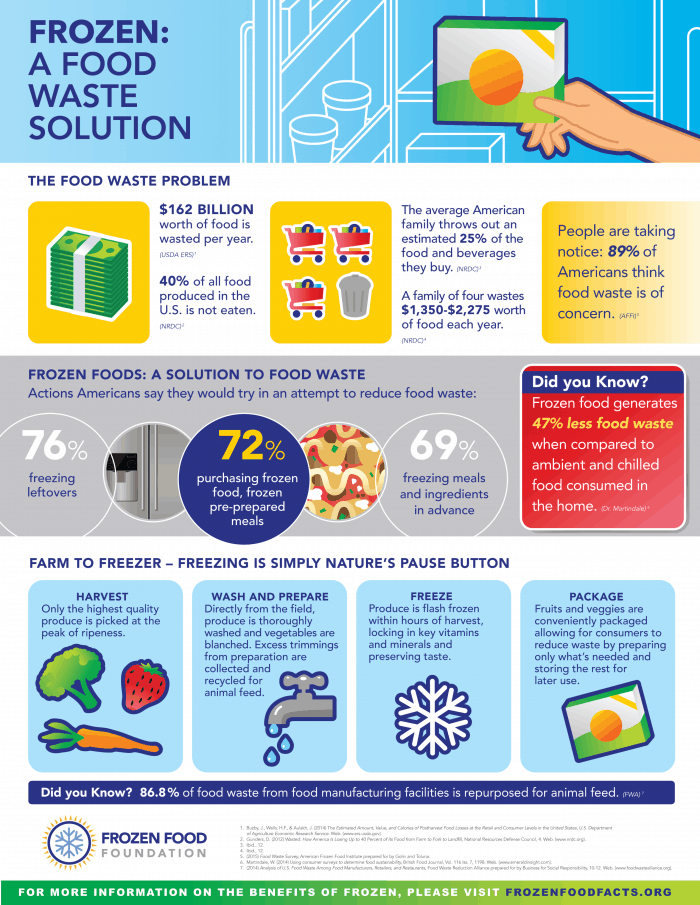
Image result for food safety cleaningFrozen Food facts and Food Waste disposal.Image result for food safety steps separate grill safely
Image result for food safety  grill safely
Image result for food safety  grill safelyImage result for food safety get ready to grill safety
Image result for food safety  grill safelyRelated image
Image result for food safety steps clean


Requirement 4: Cooking Methods & Outdoor Code

My REQUIREMENT 4 WORKSHEETS (They are more realistic than the BSA version).  Download it to see it properly and print.
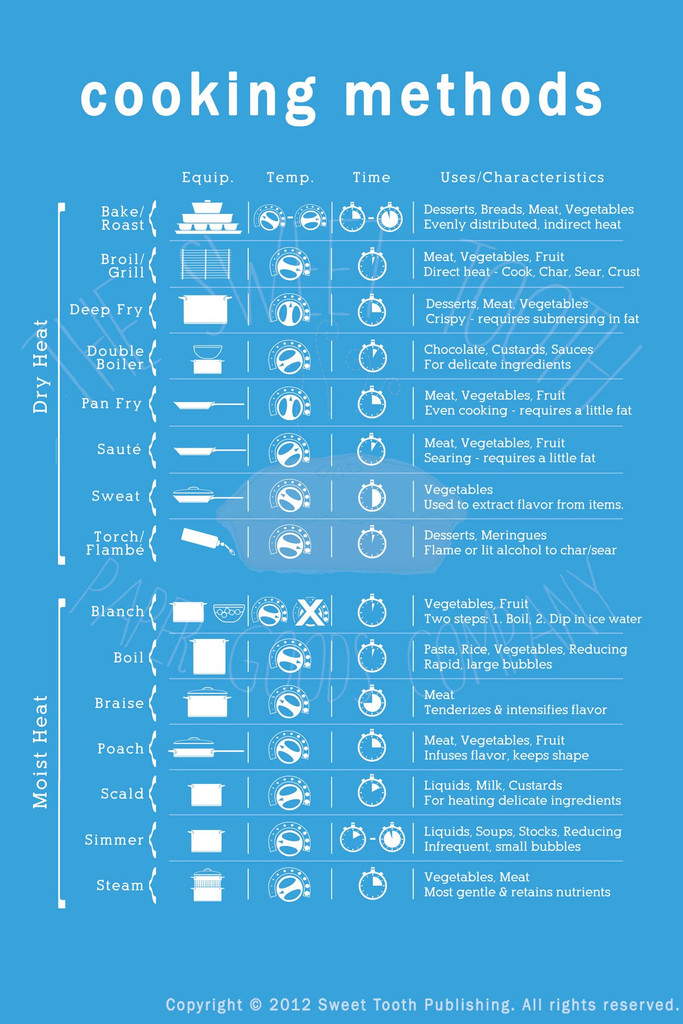
4a COOKING METHODS:  Discuss EACH of the following cooking methods. 
baking, boiling, pan frying, simmering, steaming, microwaving, and grilling.
For each one, describe the equipment needed and name at least one food that can be cooked using that method:
Methods of Cooking
4 b CAMP STOVE VS. CAMP FIRE:  
Discuss the benefits of using a camp stove on an outing vs. a charcoal or wood fire.


Include Pros and Cons of each.
Improved Chart Sample:
Camp Stoves
Campfires
Pros
Cons
Pros
Cons


4 c OUTDOOR CODE & LEAVE NO TRACE:  
Discuss how the Outdoor Code and no-trace principles pertain to cooking in the outdoors.
OUTDOOR CODE
As an American, I will do my best to
Be clean in my outdoor manners. 
Be careful with fire.
Be considerate in the outdoors.
Be conservation minded.
LEAVE NO TRACE
The Principles of Leave No Trace
1. Plan Ahead and Prepare
Proper trip planning and preparation help hikers and campers accomplish trip goals safely and enjoyably while minimizing damage to natural and cultural resources. Campers who plan ahead can avoid unexpected situations, and minimize their impact by complying with area regulations such as observing limitations on group size. Schedule your trek to avoid times of high use. Obtain permits or permission to use the area for your trek.
Proper planning ensures
§  Low-risk adventures because campers obtained information concerning geography and weather and prepared accordingly
§  Properly located campsites because campers allotted enough time to reach their destination
§  Appropriate campfires and minimal trash because of careful meal planning, food repackaging, and proper equipment
§  Comfortable and fun camping and hiking experiences because the outing matches the skill level of the participants
2. Travel and Camp on Durable Surfaces
Damage to land occurs when visitors trample vegetation or communities of organisms beyond recovery. The resulting barren areas develop into undesirable trails, campsites, and soil erosion.
Concentrate Activity, or Spread Out?
§  In high-use areas, campers should concentrate their activities where vegetation is already absent. Minimize resource damage by using existing trails and selecting designated or existing campsites. Keep campsites small by arranging tents in close proximity.
§  In more remote, less-traveled areas, campers should generally spread out. When hiking, take different paths to avoid creating new trails that cause erosion. When camping, disperse tents and cooking activities, and move camp daily to avoid creating permanent-looking campsites. Avoid places where impacts are just beginning to show. Always choose the most durable surfaces available: rock, gravel, sand, compacted soil, dry grasses, or snow.
These guidelines apply to most alpine settings and may be different for other areas, such as deserts. Learn the Leave No Trace techniques for your crew's specific activity or destination. Check with land managers to be sure of the proper technique.
3. Dispose of Waste Properly (Pack It In, Pack It Out)
This simple, yet effective, saying motivates backcountry visitors to take their trash home with them. It makes sense to carry out of the backcountry the extra materials taken there by your group or others. Inspect your campsite for trash or spilled foods. Accept the challenge of packing out all trash, leftover food, and litter.
Sanitation
Backcountry users create body waste and wastewater that require proper disposal.
§  Wastewater. Help prevent contamination of natural water sources: After straining food particles, properly dispose of dishwater by dispersing at least 200 feet (about 80 to 100 strides for a youth) from springs, streams, and lakes. Use biodegradable soap 200 feet or more from any water source.
§  Human Waste. Proper human waste disposal helps prevent the spread of disease and exposure to others. Catholes 6 to 8 inches deep in humus and 200 feet from water, trails, and campsites are often the easiest and most practical way to dispose of feces.
4. Leave What You Find
Allow others a sense of discovery, and preserve the past. Leave rocks, plants, animals, archaeological artifacts, and other objects as you find them. Examine but do not touch cultural or historical structures and artifacts. It may be illegal to remove artifacts.
Minimize Site Alterations
Do not dig tent trenches or build lean-tos, tables, or chairs. Never hammer nails into trees, hack at trees with hatchets or saws, or damage bark and roots by tying horses to trees for extended periods. Replace surface rocks or twigs that you cleared from the campsite. On high-impact sites, clean the area and dismantle inappropriate user-built facilities such as multiple fire rings and log seats or tables.
Good campsites are found, not made. Avoid altering a site, digging trenches, or building structures.
5. Minimize Campfire Impacts
Some people would not think of camping without a campfire. Yet the naturalness of many areas has been degraded by overuse of fires and increasing demand for firewood.
Lightweight camp stoves make low-impact camping possible by encouraging a shift away from fires. Stoves are fast, eliminate the need for firewood, and make cleanup after meals easier. After dinner, enjoy a candle lantern instead of a fire.
If you build a fire, the most important consideration is the potential for resource damage. Whenever possible, use an existing campfire ring in a well-placed campsite. Choose not to have a fire in areas where wood is scarceat higher elevations, in heavily used areas with a limited wood supply, or in desert settings.
True Leave No Trace fires are small. Use dead and downed wood that can be broken easily by hand. When possible, burn all wood to ash and remove all unburned trash and food from the fire ring. If a site has two or more fire rings, you may dismantle all but one and scatter the materials in the surrounding area. Be certain all wood and campfire debris is dead out.
6. Respect Wildlife
Quick movements and loud noises are stressful to animals. Considerate campers practice these safety methods:
§  Observe wildlife from afar to avoid disturbing them.
§  Give animals a wide berth, especially during breeding, nesting, and birthing seasons.
§  Store food securely and keep garbage and food scraps away from animals so they will not acquire bad habits. Never feed wildlife. Help keep wildlife wild.
You are too close if an animal alters its normal activities.
7. Be Considerate of Other Visitors
Thoughtful campers respect other visitors and protect the quality of their experience.
§  Travel and camp in small groups (no more than the group size prescribed by land managers).
§  Let nature's sounds prevail. Keep the noise down and leave radios and pets at home.
§  Select campsites away from other groups to help preserve their solitude.
§  Always travel and camp quietly to avoid disturbing other visitors.
§  Make sure the colors of clothing and gear blend with the environment.
§  Respect private property and leave gates (open or closed) as found.
Be considerate of other campers and respect their privacy.